
Add Row
Add Element
cropper
update
Sound Advice Audiology
(860) 663-6517 
update
Add Element
  • Home
  • Categories
    • hearing devices Vernon CT
    • audiology services CT
    • best audiologist Vernon
    • hearing aid repairs CT
    • hearing aid cost CT
    • audiology clinic Vernon CT
    • hearing aid brands CT
    • tinnitus clinic Vernon
  • Main Website
March 16.2026
1 Minute Read

How Primary Care Physicians Can Identify Early Signs of Hearing Loss in Patients

How Primary Care Physicians Can Identify Early Signs of Hearing Loss in Patients

When subtle shifts in communication go unnoticed, the cascade of consequences can be profound—misdiagnosis, social withdrawal, and a silent erosion of quality of life. Yet as Dr. Charles Wasserman, founder of Sound Advice Audiology, makes clear, the early hearing loss signs primary care physicians often overlook hold the key to better patient outcomes. In this guide, Dr. Wasserman unpacks the underestimated cues, clinical missteps, and actionable screening practices every provider should master to ensure no patient’s whisper for help goes unheard.

Dr. Charles Wasserman’s Core Insight on Early Hearing Loss Signs

“Hearing loss usually happens very, very slowly over a long period of time, and usually will be noticed by family members before it is noticed by the person experiencing the hearing loss.”
– Dr. Charles Wasserman, Sound Advice Audiology

Early hearing loss signs: Middle-aged primary care physician listening with care to older patient, bright medical office, Sound Advice Audiology

According to Dr. Wasserman, the journey of early hearing loss signs is marked by incremental, nearly invisible shifts rather than dramatic complaints. Most patients never walk in with a straightforward declaration of hearing challenges. Instead, caregivers and loved ones are often the first to notice that something is "not right," hinting at disputes over TV volume, frequent repetitions, or withdrawal from conversations. Dr. Wasserman’s observations echo across clinical practice: “Hearing loss rarely announces itself. More often, it’s a private struggle made visible by the people closest to the patient.”

This perspective serves as a wake-up call. For primary care physicians and care coordinators, it means moving beyond the exam room’s quickfire Q&A. Only by probing with intention can we unearth the hidden stories behind household dynamics, social habits, and subtle behavioral changes—before these symptoms contribute to misdiagnosis or missed opportunities for intervention.

Recognizing Subtle Clues Beyond Patient Complaints

Why Patients Rarely Report Hearing Difficulty Directly

“Patients don't always complain about hearing difficulty; instead, clues like increased household arguments or louder TV volume are subtle signs to watch for.”
– Dr. Charles Wasserman, Sound Advice Audiology
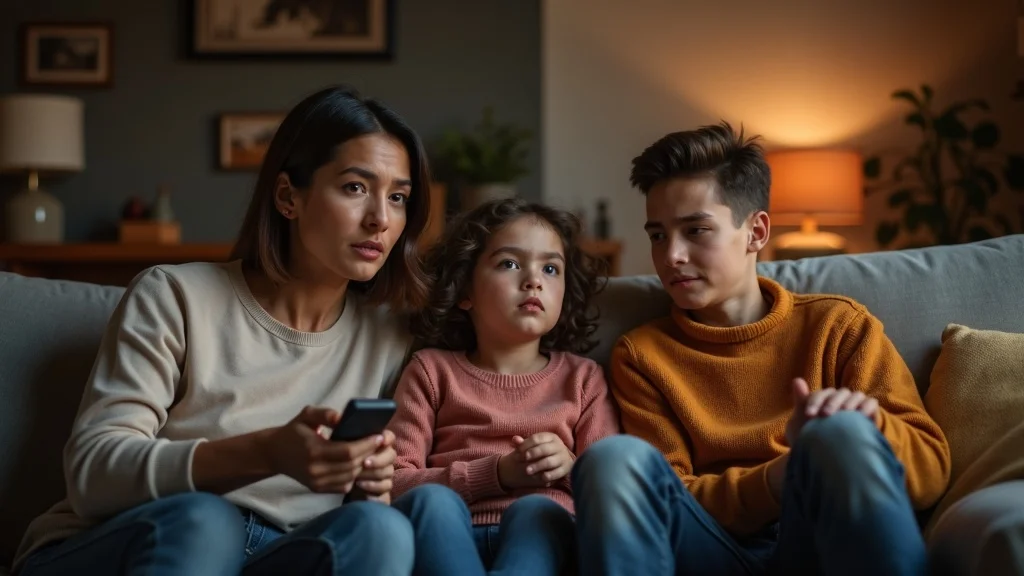
Early hearing loss signs: Family frustrated by loud TV volume at home; subtle indicators for clinicians

Dr. Wasserman emphasizes, “Most patients won’t explicitly report trouble hearing.” This misconception remains deeply entrenched in clinical routines. As he explains, primary care settings are governed by urgency, and without active listening to the patient’s social context, the earliest signs are easily marginalized.

What perpetuates this gap? According to Dr. Wasserman, patients unconsciously adapt—prioritizing face-to-face conversations, avoiding group gatherings, or attributing misunderstandings to others “not speaking clearly.” In fact, changes in social activity or household mood—like a spouse’s frustration over repetition—can be crystal-clear harbingers of early hearing loss signs. By integrating targeted questions about communication struggles and home dynamics, clinicians can catalyze much earlier identification and referral, putting them a critical step ahead of conventional diagnoses.

Common Behavioral Indicators of Early Hearing Loss in Clinical Practice

  1. Increased volume of TV or radio

  2. Family members mentioning repeated misunderstandings

  3. Patient withdrawing from social environments

  4. Complaints about others ‘not speaking clearly’

Early hearing loss signs: Older adult withdrawn in social setting, missed conversations—Sound Advice Audiology

Each of these behaviors, as Dr. Wasserman describes, is steeped in the lived realities he sees daily at Sound Advice Audiology. The challenge for practitioners is to decode these subtle shifts not as mere quirks or generalized aging, but as red flags demanding further exploration. Increased television volume, for example, isn’t just a sign of aging ears; it can reflect a deeper challenge with speech discrimination in noisy backgrounds—a nuanced, often overlooked aspect of hearing loss.

Similarly, withdrawal from community or family events may not initially register as a medical concern. However, Dr. Wasserman underscores that social avoidance can be a coping mechanism, signaling frustration with missed conversations. When family members step in to report repeated misunderstandings, it’s often the earliest reliable indication that objective hearing changes have taken root. “A patient might say, ‘Everyone mumbles these days.’ Underneath lies an evolving auditory deficiency that is far more than a trivial complaint—it’s a precursor to deeper isolation, safety issues, and declining wellbeing,” Dr. Wasserman observes.

The Critical Role of Clarity Over Volume in Hearing Loss

“Hearing loss is often more about clarity – certain pitch ranges – rather than simply volume. Patients may hear sound but not clearly understand speech.”
– Dr. Charles Wasserman, Sound Advice Audiology

Early hearing loss signs: Older adult straining for clarity, not volume, in speech—Sound Advice Audiology, CT

Contrary to conventional wisdom, not all hearing loss manifests as a drop in loudness. According to Dr. Wasserman, “Very often, hearing loss is not necessarily a volume issue, as much as it is a clarity issue.” Many patients can hear ambient sounds, but the nuanced frequencies that make speech, intelligible, particularly consonants, and become muddled. This is a crucial distinction for clinicians: If a patient fails to respond or appears inattentive, it’s often because the speech signal isn’t clear, not because they “weren’t listening” or the environment is too noisy.

Overlooking this truth risks profound mislabeling. Dr. Wasserman points out, “Sometimes this even shows up as thinking that somebody might be experiencing early signs of dementia. When in reality, if we can’t hear what somebody is saying or don’t notice that somebody’s actually talking to us, we’re not having a memory issue. We just didn’t hear them.” The upshot for medical professionals is to broaden their assessment beyond hearing thresholds and include targeted questions about clarity, background noise challenges, and if communication seems less clear even at “normal” volumes.

Misdiagnosis Risks: Hearing Loss vs. Cognitive Decline

Patients presenting with apparent inattention or memory issues, might actually be struggling to hear speech clearly, leading to false assumptions about dementia.

According to Dr. Wasserman, the overlap between early hearing loss signs and cognitive decline complaints is one of the most persistent diagnostic pitfalls. Subtle deficits in speech clarity can mimic—and be mistaken for—early dementia or mild cognitive impairment. By proactively screening hearing in any patient flagged for new memory issues, clinicians can avoid unnecessary anxiety, inappropriate cognitive workups, and, ultimately, missed opportunities for hearing intervention that can stabilize or even improve long-term brain health.

Key Recommendations for Primary Care Physicians on Early Hearing Loss Signs

  • Screen all patients over age 65 for hearing loss

  • Conduct hearing assessments when patients report new memory loss or balance issues

  • Be vigilant for indirect signs and ask targeted questions about communication challenges

The most transformative a-ha moment comes in the shift from reactive to proactive practice. As highlighted by Dr. Wasserman, universal screening for hearing loss signs in adults over 65 is not just recommended—it’s imperative. “If your patient is over the age of 65, they should have their hearing tested. Also, if they have any concerns for new onset of memory loss, or new or rapid changes in their balance, a hearing assessment is warranted as part of the evaluation.” Dr. Wasserman’s approach, grounded in years of dedicated audiology work, directly challenges the notion that hearing health is secondary to broader medical care. Instead, he sees it as foundational to patient safety, mental health, and social well-being.

Integrating Hearing Assessments into Routine Geriatric Evaluations

Adding hearing tests as a standard part of evaluations for older adults supports early diagnosis and improved patient outcomes.

Early hearing loss signs: Modern hearing test in primary care office—patient wears headphones, doctor reviews audiogram, Sound Advice Audiology

In Dr. Wasserman’s clinical model, targeted hearing assessments are seamlessly woven into geriatric checkups. This proactive integration ensures that subtle cues—whether balance irregularities, frustration over communication, or shifts in social engagement—trigger a formal review rather than casual dismissal. For clinics, this shift may demand changes in workflow, investment in screening tools, or closer partnerships with audiologists, but the impact is measurable: improved diagnostic confidence, prevention of downstream complications, and the chance to restore quality of life before it slips further.

“Early identification is not an extra—it’s essential medicine,” Dr. Wasserman asserts. With comprehensive protocols and trusted referral partners, clinics can become the first line of defense against the long-term harm of undiagnosed hearing loss. Patients and families deserve nothing less.

Summary: Understanding and Acting on Early Hearing Loss Signs

Implementing attentive observation and proactive hearing evaluations empowers primary care physicians and specialists to identify hearing loss early, preserving patient quality of life and reducing misdiagnoses.

For every caregiver, case manager, or physician assistant, the bottom line is clear: Early hearing loss signs should never be mistaken as benign effects of aging or background noise of busy lives. As Dr. Wasserman’s perspective shows, the right questions and timely action are catalysts for change. Take the time to listen beyond complaints—and you’ll uncover opportunities for intervention that can genuinely alter the arc of health and happiness for years to come.

Take the Next Step in Auditory Care with Sound Advice Audiology

Ready to elevate your practice’s approach to auditory health? Connect with Dr. Charles Wasserman and the expert team at Sound Advice Audiology to integrate the latest in diagnostic strategies and compassionate care into your workflow. For more expert resources or patient referrals, visit: https://soundadviceaudiologyct.com or call (860) 663-6517. Bridge the gap in your patients’ care and help them reclaim what they may not even realize they’ve lost—clarity, confidence, and connection.

audiology services CT

1 Views

0 Comments

Write A Comment

*
*
Please complete the captcha to submit your comment.
Related Posts All Posts
03.15.2026

Advocacy Grows for Protecting Student Loan Access for Audiology Programs

Update Protecting Access: A Call to Action for Audiology Students In the past few weeks, the Academy has rallied a powerful movement to safeguard student loan access for future audiologists. As the Department of Education deliberates on proposed changes to federal student loan regulations, audiology students find themselves at a crucial crossroads. Federal loan limits, crucial for financing their extensive doctoral programs, are at stake. If these regulations are finalized without addressing audiology's status as a professional degree, it could limit doctoral students’ ability to borrow significantly, starting as early as July 2026. The Professional Student Degree Act: What It Means for Audiology The urgency of this situation is captured in Representative Michael Lawler's (R-NY) proposed legislation, the Professional Student Degree Act (H.R. 6718). This bill aims to reaffirm audiology's position as a professional degree under federal law, thus enabling students in Doctor of Audiology (AuD) programs to access higher federal student loan limits designed for clinical education. Currently, the proposed regulations only include 11 specified professional degree programs, leaving audiology students at risk of increased educational debt. Why This Matters: The Broader Impact on Healthcare Restricting loan access not only threatens the education of future audiologists but also has serious ramifications for the healthcare workforce and patient care. Audiology graduates play a crucial role in addressing hearing health issues and enhancing quality of life, especially as hearing loss becomes more prevalent among aging populations. Therefore, advocating for equitable loan access isn't just about student rights—it's about ensuring that communities continue to receive the highest standard of care from informed, well-trained audiologists. The Power of Advocacy: How You Can Make a Difference As members of the healthcare community—physicians, ENTs, and care managers—you can join the Academy's call to action. Reach out to your U.S. Representative and ask them to support H.R. 6718. Your advocacy will ensure that policymakers recognize how critical this issue is, not just for audiology students, but for the quality of care available to patients everywhere. Embracing Solutions: A Path Forward In these challenging times, it's vital to harness the collective power of the audiology community and its supporters. Engaging in grassroots initiatives, sharing personal stories, and drafting personalized comments during the public comment period can greatly influence outcomes. Ask your colleagues and students to educate themselves on the implications of these proposed regulations. Creating an informed dialogue can amplify our voice and contribute to an environment that supports accessible education for all aspiring audiologists. Take Action Today! Don’t wait for change to happen—be the change. For more information on how you can advocate for better student loan access and to connect with resources, visit here or call (860) 663-6517. Together, we can ensure that future audiologists have the financial support necessary to pursue their passion, paving the way for a healthier tomorrow.

03.13.2026

Why Understanding Sea Turtle Hearing Is Crucial for Marine Conservation

Update Unraveling the Unique Hearing of Kemp’s Ridley Sea TurtlesAt the forefront of marine biology, Duke University’s Marine Lab has shed light on the astonishing auditory capabilities of the critically endangered Kemp’s ridley sea turtle. As the smallest sea turtles in the world, they have much to teach us about marine ecology and the impact of human activity. Surprisingly, these turtles experience their most acute hearing in low-frequency ranges, specifically between 200 Hz to 300 Hz, making them particularly susceptible to the sounds generated by modern maritime activities.The Impact of Human Noise on Turtle HearingThe research indicates that the sounds produced by ships—including engines and propellers—fall right within the sensitive auditory range of these turtles. The results, based on auditory evoked potential tests on 13 Kemp’s ridley sea turtles, have highlighted a worrying correlation: the rising intensity of ocean noise pollution could not only damage the turtles' hearing but also impede their ability to detect crucial environmental sounds. These sounds are essential for their survival, aiding in prey detection and predator avoidance.Future Directions for Marine ConservationThe implications of this research extend far beyond the lab. By identifying the frequencies at which turtles are most affected—frequencies that overlap with those emitted by ships—scientists aim to influence how vessels operate in turtle habitats. Proposals to minimize low-frequency outputs from ships could forge new pathways for coexistence between marine life and maritime industry. Additionally, ongoing field studies will help clarify when this overlap occurs, an essential step toward developing strategies to mitigate its effects.A Call to Action for Ocean PreservationAs professionals invested in healthcare and the environment, it is crucial for us to advocate for measures that protect endangered species like the Kemp’s ridley sea turtle. Enhancing awareness about the delicate balance between human activity and wildlife preservation can make a profound difference. If you're passionate about promoting hearing health—both for humans and marine life—consider supporting initiatives that seek to limit noise pollution in our oceans.For additional information on audiology services and how you can enhance hearing health, visit Sound Advice Audiology or call (860) 663-6517 today for a consultation that could change lives.

03.12.2026

Understanding the Deep Impact of Hearing Loss on Relationships and Solutions

Update The Hidden Toll of Hearing Loss on Relationships Hearing loss is a common issue affecting approximately 48 million people in the U.S., yet its ripple effects on personal relationships are often overlooked. Studies indicate that untreated hearing loss doesn't just impact the individual; it strains connections with partners, friends, and family, leading to feelings of isolation and frustration. Understanding the Strain on Communication At the core of most healthy relationships lies effective communication. When one partner struggles with hearing loss, daily conversations can become fraught with challenges. According to research, breakdowns in communication can lead to misunderstandings, frustration, and emotional distance. For many, this disconnection becomes a breeding ground for resentment and loneliness, affecting not only romantic relationships but friendships and family ties as well. The Emotional Impact: Frustration and Loneliness The emotional fallout from hearing loss can be profound. Partners may feel like they are constantly compensating for their loved one's hearing difficulties, leading to feelings of frustration. For individuals facing hearing impairment, emotions like guilt and embarrassment might arise, often resulting in social withdrawal. A 2010 survey revealed that over one-third of respondents acknowledged that hearing loss strained their most intimate relationships. Starting the Conversation about Hearing Loss Addressing hearing loss with a partner requires sensitivity. It's essential to choose a calm moment to discuss how hearing loss affects everyday communication. By using an open and caring approach, individuals can express their feelings about this challenge while emphasizing its impact on the relationship. It’s important to clarify that hearing loss can lead to considerable emotional and physical stress for both partners. Finding Solutions: The Role of Hearing Aids Fortunately, solutions are available. Hearing aids can greatly enhance communication by amplifying sounds and increasing speech clarity. Research shows that using hearing aids can improve the user's quality of life, helping restore intimacy and engagement in relationships. Audiologists can work with individuals to develop personalized treatment strategies that prioritize their lifestyle and needs. Strategies for Couples Facing Hearing Loss Couples can adopt practical strategies to minimize the impact of hearing loss on their relationship. These include: Open Communication: Honesty about frustrations and hearing difficulties fosters understanding. Patience and Adaptation: Both partners should practice empathy; it takes time to adjust to new communication dynamics. Environment Adjustments: Engaging in conversations in quiet settings can significantly help. This minimizes distractions and allows for clearer exchanges. Regular Audiologist Visits: Keeping up with hearing evaluations ensures that both individuals remain proactive about their hearing health. Concluding Thoughts: The Importance of Caring Connections While hearing loss presents significant challenges, it doesn’t have to disrupt your most cherished relationships. By recognizing the emotional toll it has on both partners and seeking appropriate treatment, couples can strengthen their bonds amidst the challenges. Take the first step by reaching out to a hearing health specialist to discuss customized solutions tailored to your specific needs. For more info, visit our website or call (860) 663-6517.

Terms of Service

Privacy Policy

Core Modal Title

Sorry, no results found

You Might Find These Articles Interesting

T
Please Check Your Email
We Will Be Following Up Shortly
*
*
*